Factory Direct Catalog
Featured Contact Lens Products & Optical Accessories
Explore our ISO 13485 & CE-certified contact lenses and optical packaging solutions optimized for Uzbekistan's rapidly growing eye-care retail market.
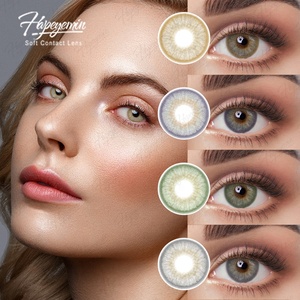
Haipurecon Taylor & Pola Series Beauty Lenses for OEM/ODM Wholesale
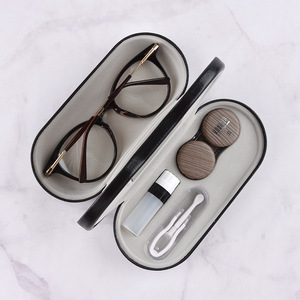
Dual-Use Optical Case Imitation Wood Grain Leather Folding Case
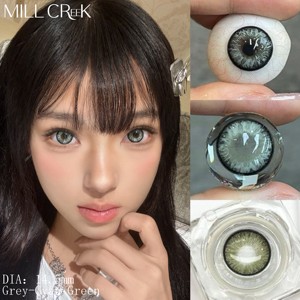
Soft Cosmetic Colored Contact Lenses & High-Barrier Storage Companion Cases
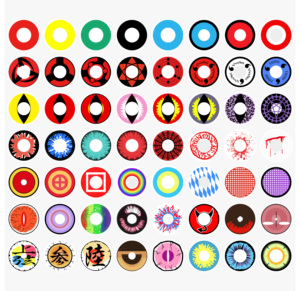
Pesyeche Costume & Cosplay Special Effects High-Pigment Eye Lenses
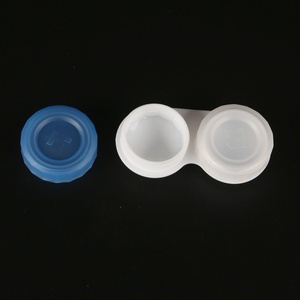
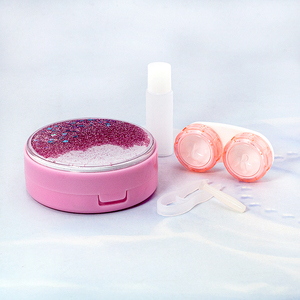
Custom PP-02 Plastic Contact Lens Double Box Korean Style Kit
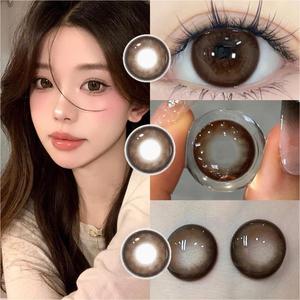
Haipurecon Natural 3 Tone 14.5mm Big Eye Soft Lenses OEM/ODM
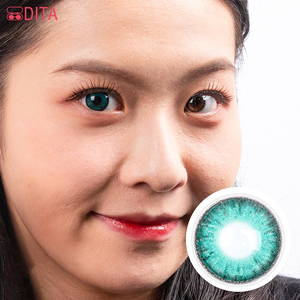
In-Stock Monthly Disposable 2-Pack Silicone Hydrogel 14mm Contact Lenses
Executive Summary: Uzbekistan's Contact Lens Market Paradigm Shift
As Central Asia’s most populous country with over 36 million residents and an average median age of 29.1 years, Uzbekistan is undergoing a structural expansion in its vision care and cosmetic optical sectors. Historically dominated by conventional annual replacement lenses and traditional eyeglass frames, major urban centers including Tashkent, Samarkand, Namangan, Fergana, and Andijan are exhibiting a rapid shift toward high-hygiene Monthly Disposable Contact Lenses.
Driven by expanding middle-class disposable income, aggressive urbanization, and a modernizing health-and-beauty retail environment (symbolized by platform expansions such as Uzum Market and pharmacy networks like Grand Pharm and Best Optics), Uzbek consumers increasingly prioritize ocular safety, high oxygen permeability ($Dk/t$), and continuous moisture retention. For B2B importers, optical retail chains, distributors, and pharmacy suppliers in Tashkent, partnering with a direct manufacturer capable of delivering high-volume Silicone Hydrogel OEM/ODM monthly disposables provides an unmatched competitive advantage.
36M+
Target Population
147+
Dk/t Oxygen Flux
20 Days
OEM Lead Time
100%
ISO 13485 Compliant
Micro-Localized Application Scenarios Across Uzbekistan Regions
Standard off-the-shelf optical products frequently fail to perform in Uzbekistan’s distinct geography and climate. Designing high-gain inventory for this market requires matching contact lens material science with local daily life demands.
1. Arid Continental Climate Performance
Geographical Context: Tashkent, Bukhara, and Navoi experience dry, dusty summers with temperatures exceeding 40°C, accompanied by dry steppe winds.
Technical Solution: Standard HEMA hydrogel lenses lose water rapidly in dry ambient air, causing corneal friction and redness. Our monthly disposable silicone hydrogel lenses incorporate integrated hyaluronic acid (HA) moisture cushions and low-modulus polymer matrices. This structure retains 98% of fluid volume throughout 16-hour continuous wear, protecting wearers against dry eye syndrome in dusty urban corridors.
2. Wedding Season & Aesthetic Culture
Cultural Context: Traditional Uzbek weddings ("Tüy") in Samarkand, Tashkent, and Fergana involve multi-day celebrations where intense eye makeup and photography are central.
Technical Solution: Our 3-tone natural cosmetic monthly disposables utilize non-ionic bio-compatible polymers featuring micro-encapsulated sandwich printing. Pigments are completely sealed within hydrogel layers, ensuring zero direct contact with the cornea. This delivers vibrant hazel, honey, natural green, and gray iris enlargement without risking irritation during long festive gatherings.
3. Digital Native Youth & Office Professionals
Demographic Context: Tashkent’s IT Hubs, university students, and modern corporate workplaces report elevated rates of Digital Eye Strain (DES) due to 8-10 hours of screen exposure daily.
Technical Solution: High $Dk/t$ silicone hydrogel monthly disposables allow up to 6x more oxygen transmissibility than conventional lenses, reducing hypoxemic corneal stress and end-of-day dryness for heavy smartphone and laptop users.
4. Pharmacy Chains & Express Retail
Retail Context: Pharmacy chains in Uzbekistan are evolving into primary points-of-sale for daily health and cosmetic essentials, requiring retail-ready packaging.
Technical Solution: OEM blister 2-packs and 6-packs supplied with bilingual Uzbek (Latin) and Russian regulatory labelling, custom EAN-13 barcodes, and tamper-evident foil seals engineered for rapid compliance with Ministry of Health retail display standards.
Strategic Localized Market Trends (2025–2030)
Understanding Uzbekistan’s macroeconomic and regulatory landscape allows optical brand owners to capture high market share. Our market research highlights four macro trends defining the region:
A. The Annual-to-Monthly Modality Migration
Historically, yearly disposable lenses dominated due to perceived unit cost savings. However, heightened consumer awareness surrounding eye infections, protein buildup, and keratitis has triggered a mass migration toward Monthly Disposable Contact Lenses. Monthly disposables balance hygiene and affordability, yielding higher recurring lifetime revenue for distributors through recurring monthly reorders.
B. Surge in E-Commerce & Telegram Commerce
Uzbekistan’s digital economy is unique; e-commerce ecosystem Uzum Market alongside customized Telegram store bots handle a massive volume of consumer transactions. Contact lens distributors require compact, lightweight blister boxes (2-piece and 6-piece packs) that minimize local courier shipping fees via Yandex Go and Express Mail services within Tashkent and regional cities.
C. Demand for Biocompatible Material (Silicone Hydrogel)
Ophthalmologists across Uzbekistan are increasingly recommending Silicone Hydrogel ($SiHy$) materials over classic $HEMA$. With oxygen transmissibility ratings reaching $147 Dk/t$, $SiHy$ monthly disposables mitigate corneal edema and vascularization, establishing a new baseline standard for optical retailers in Central Asia.
D. Multilingual Private Labeling (Uzbek & Russian)
Strict consumer protection laws in Uzbekistan enforce clear product guidance in Uzbek (Latin script) and Russian. Foreign suppliers offering generic English packaging face customs holds and retail restrictions. Our OEM service provides comprehensive packaging localized with required legal, medical, and usage instructions.
Material Science Comparison: Silicone Hydrogel vs. HEMA for Arid Climates
To assist B2B procurement managers and optical buyers in evaluating lens parameters for Uzbekistan import, the comparative matrix below outlines key material indicators:
| Performance Parameter | Silicone Hydrogel Monthly Disposables | Traditional HEMA Monthly / Yearly | Impact on Uzbekistan End-Wearer |
|---|---|---|---|
| Oxygen Transmissibility ($Dk/t$) | 135 – 147 Dk/t | 20 – 28 Dk/t | Prevents hypoxia; maintains clear, white eyes despite heavy dust exposure. |
| Water Content Rate | 45% – 48% (Optimized) | 38% – 58% (High loss in heat) | Resists moisture evaporation under summer heat (+40°C in Central Asia). |
| Surface Deposition Resistance | High (Non-ionic surface treatment) | Moderate to Low | Repels dust micro-particles, lipid deposits, and cosmetic residue. |
| Modulus (Flexibility) | 0.5 – 0.6 MPa (Soft Bio-touch) | 0.4 – 0.8 MPa | Ensures immediate handling comfort and easy insertion for first-time wearers. |
| UV Protection Filter | Class 1 UV Blocking (UVA >90%, UVB >99%) | Optional / Basic | Shields intraocular structures against high ambient UV indexes in Uzbekistan. |
| Replacement Frequency | Strict 30-Day Cycle | 6 – 12 Months | Maximizes ocular hygiene; generates 12x recurring retail purchase cycles. |
Why Partner With Stephies Lens: Manufacturing Excellence & Supply Chain
As a global leader in contact lens optics, Stephies Lens operates fully automated cleanroom facilities equipped with robotic wet-cast molding and real-time optical quality inspection systems. We support Central Asian importers with comprehensive white-glove ODM/OEM capabilities.
Full OEM/ODM Private Label Customization
From custom iris pattern design, 1-tone to 3-tone color development, diopter range configuration (Plano 0.00 to -10.00D), to custom blister foil printing, outer box design, and accompanying lens cases (like our PP-02 and wood-grain companion series), we turn your vision into market-ready products.
Low MOQ for Emerging Brands
We empower growing optical retailers, beauty distributors, and online entrepreneurs in Uzbekistan by offering flexible starting quantities. Test market colors and prescription powers with minimal capital exposure before scaling to full container volumes.
Certified Medical Quality Management
Our production lines operate under strict ISO 13485 quality systems. Products carry CE certification and comply with ISO 10993 biocompatibility testing, ensuring seamless registration and smooth approval processes with Uzbekistan medical regulation authorities.
Optimized Overland Logistics (China to Tashkent)
We maintain established logistics channels via Khorgos / Alashankou land routes and express air-freight corridors directly into Tashkent International Airport (TAS). Full documentation including Certificate of Origin (Form A/E), MSDS, Packing Lists, and Commercial Invoices are provided for rapid customs clearance.
Frequently Asked Questions (FAQ) for Uzbekistan B2B Buyers
Clear answers regarding regulatory registration, private label customization, payment terms, and logistics for importers in Tashkent and Central Asia:
1. What are the regulatory requirements for importing contact lenses into Uzbekistan?
Contact lenses are classified as medical devices in Uzbekistan and are governed by the State Center for Expertise and Standardization of Medicines, Medical Devices, and Medical Equipment under the Ministry of Health of the Republic of Uzbekistan. Importers require a Registration Certificate (Uzbekistan State Registration). Stephies Lens provides full technical files, CE certificates, ISO 13485 documentation, free sale certificates (FSC), and clinical test summaries required by your local regulatory agent to complete registration swiftly.
2. Why choose Monthly Disposable contact lenses over Annual lenses for the Uzbek market?
Monthly disposable contact lenses offer superior ocular health benefits by minimizing lipid and protein buildup, which is particularly severe in Uzbekistan's dusty summer climate. From a commercial standpoint, monthly disposables convert a one-time annual buyer into a customer who reorders 12 times a year, increasing long-term retail profitability and customer retention.
3. Can you manufacture custom OEM packaging with Uzbek (Latin) and Russian language text?
Yes. Our in-house design and packaging engineering teams produce custom outer boxes, blister foils, and instruction leaflets completely localized in Uzbek (Lotin yozuvi), Russian, or English. We ensure all mandatory labeling parameters—diopter ($P$), base curve ($BC$), diameter ($DIA$), lot number, manufacturing date, and expiry date—fully comply with local trade laws.
4. What are the typical shipping options and lead times to Tashkent?
For stock catalog products, dispatch occurs within 7 days. For custom OEM/ODM orders, standard manufacturing requires approximately 20 business days post-artwork approval. Freight choices include Air Express (5–8 days transit to Tashkent Airport) and Overland Rail/Truck Freight via Khorgos (12–18 days), offering an optimal balance between shipping costs and speed.
5. What payment terms and currencies do you accept for Uzbekistan import contracts?
We accommodate global B2B payment standards including Telegraphic Transfer (T/T), Irrevocable Letter of Credit (L/C at sight), and major credit channels. Transactions are primarily settled in USD or EUR. Customized payment milestones (e.g., 30% deposit upon order confirmation, 70% balance prior to shipment/BL release) are available for established commercial partners.
6. What is the Minimum Order Quantity (MOQ) for custom private label orders?
Our flexible OEM program supports growing businesses with low initial order limits. Standard color catalog private-label runs start at low MOQ thresholds per shade, allowing you to build a diverse color portfolio (e.g., Natural Green, Taylor Blue, Pola Gray, Brown) without overextending capital reserves.
7. How do silicone hydrogel lenses withstand Uzbekistan's summer heat and dust?
Silicone hydrogel incorporates silicone polymer chains that transport oxygen directly through the material independently of water content. This prevents the lens from drying out or drawing moisture away from the eye in low-humidity environments, keeping the lens soft, lubricated, and comfortable even during high-temperature dusty conditions in Central Asia.
Launch & Scale Your Contact Lens Brand in Uzbekistan
Connect directly with our senior optical engineering and OEM export team. Request sample packs, technical whitepapers, factory pricing, and localized packaging templates today.