Featured Export Portfolio
High-Demand Hydrogel & HEMA Soft Contact Lenses Ready for Wholesale & Private Label Customization
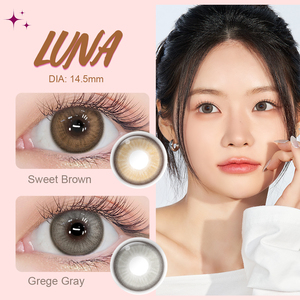
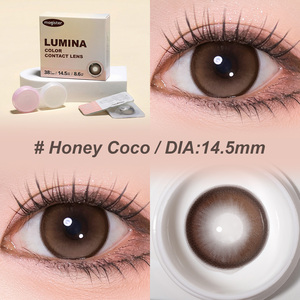
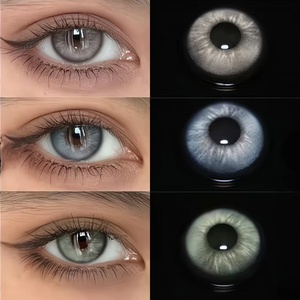
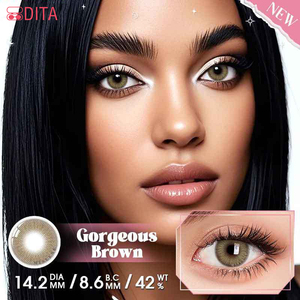
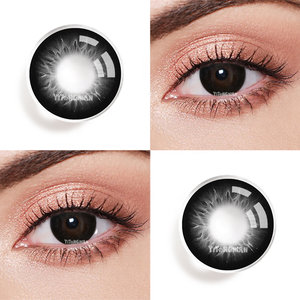
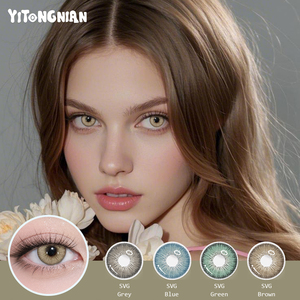
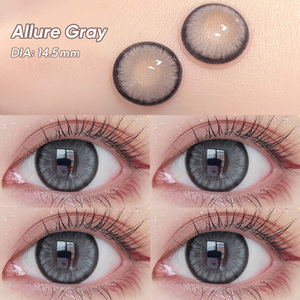
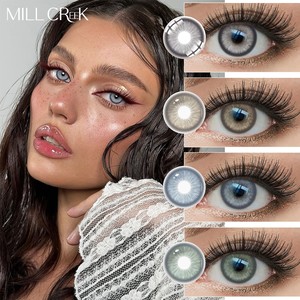
1. Executive Summary: The Structural Evolution of China's Soft Contact Lens Industry
The global soft contact lens sector is undergoing a profound supply chain realignment. Historically dominated by Western vision care conglomerates, the market for cosmetic, corrective, and therapeutic contact lenses has increasingly centralized its primary manufacturing, high-precision molding, and chemical synthesis infrastructure in specialized optical industrial clusters across China. As a premier hub for vision technology, Chinese contact lens manufacturers have transformed from low-tier contract assemblers into globally accredited OEM/ODM powerhouses capable of sub-micron polymer engineering, micro-encapsulated color sandwich printing, and fully automated, zero-touch cast molding processes.
For international buyers—ranging from established optical store networks and ecommerce DTC brands to regional pharmaceutical distributors—sourcing soft contact lenses from China represents a strategic convergence of high yield, rapid product innovation, cost efficiency, and rigorous international regulatory compliance. Leading Chinese facilities operate under strict ISO 13485 Quality Management Systems and maintain CE Mark and US FDA 510(k) cleared pathways, ensuring that exported soft contact lenses satisfy stringent ocular biocompatibility standards.
2. Core Competencies of Leading Chinese Contact Lens Exporters
Evaluating an export supplier requires examining structural engineering capability, material integrity, and private-label agility. Premier Chinese factories utilize state-of-the-art technological pillars to guarantee ocular safety and visual clarity across all export lines:
Micro-Sandwich Color Lock
Non-ionic pigments are bio-sealed between two transparent polymer layers, preventing direct colorant contact with the corneal endothelium and eliminating pigment migration risk.
Cast-Molding Precision
Fully automated single-use cast molding ensures absolute consistency in Base Curve (BC) and Diameter (DIA), preventing parameter warping commonly observed in lathe-cut alternatives.
Smooth Edge Profile
Advanced bevel edging minimizes tear film disruption, promoting natural lacrimal fluid exchange beneath the lens and delivering all-day wear comfort for sensitive eyes.
3. Technical Material Comparison: HEMA vs. Hydrogel vs. Silicone Hydrogel
Selecting the optimal material matrix is crucial for alignment with brand positioning, target retail pricing, and wear duration (daily, monthly, or yearly). The table below outlines the core specifications manufactured in top-tier Chinese facilities:
| Material Type | Water Content | Oxygen Permeability (Dk/t) | Modulus / Stiffness | Primary Commercial Use Case |
|---|---|---|---|---|
| Poly-HEMA (Traditional) | 38% - 42% | 15 - 20 Dk/t | 0.30 - 0.45 MPa | Yearly cosmetic colored contacts, high durability, cost-effective retail. |
| NVP-HEMA Hydrogel | 45% - 58% | 25 - 32 Dk/t | 0.25 - 0.35 MPa | Daily/Monthly clear Rx lenses, enhanced initial wetting comfort. |
| Silicone Hydrogel (Gen 3) | 40% - 50% | 80 - 130+ Dk/t | 0.50 - 0.75 MPa | Extended wear, high-end optical prescription channels, premium DTC lines. |
| Special FX / Mini Sclera (17mm-22mm) | 38% - 40% | 18 - 22 Dk/t | 0.40 - 0.50 MPa | Theatrical, cosplay, SFX makeup, short-duration costume applications. |
4. Future B2B Procurement & Market Trends (2026–2030)
Navigating the global contact lens trade requires anticipating structural shifts in consumer behavior and retail channel dynamics. B2B buyers should align procurement strategies with four key emerging industry trends:
A. Rapid Shift Towards Daily Disposables (1-Day Lenses)
Driven by heightened hygiene awareness and convenience preferences, global demand is migrating away from annual replacement cycles toward daily disposables. Leading Chinese factories have scaled multi-cavity automated packaging machinery to produce strip-blister 1-day packs at unprecedented unit efficiency, allowing private-label brands to achieve retail-ready margins on daily colored and clear lenses.
B. Hyper-Natural Aesthetic Pigmentation and Iris Morphing
Overt, opaque, single-tone color lenses are increasingly replaced by multi-layer, semi-translucent radial gradients that mimic the intricate architecture of the natural human iris. Advanced 3-tone and 4-tone printing techniques seamlessly blend hazel, olive, grey, and deep blue hues with the wearer's native eye color, targeting the expanding everyday cosmetic beauty demographic.
C. High Dk/t Silicone Hydrogel Accessibility
As patent barriers on classic fluorosilicone macromers expire, Chinese manufacturers are standardizing third-generation silicone hydrogel substrates. This democratization enables independent brands to market ultra-breathable, health-focused lenses without paying inflated licensing fees to traditional monopolistic optical giants.
D. Sustainable Eco-Friendly Blister & Secondary Packaging
Environmental governance (ESG) is influencing optical procurement. Exporters are offering biodegradable polypropylene blister trays, reduced-foil lid stock, and 100% recycled paper outer boxes, meeting strict European and North American circular economy regulations.
5. Frequently Asked Questions for International B2B Buyers
Direct answers addressing supply chain logistics, private label OEM setup, quality control compliance, and sample evaluations.
6. Partnering with Stephies Lens: Strategic OEM & ODM Solutions
As a key leader among China's specialized contact lens manufacturers, Stephies Lens CO., LTD provides global brand owners, optical chains, and ecommerce distributors with end-to-end manufacturing solutions. From conceptual pattern design and polymer formulation to custom blister foil sealing and international regulatory paperwork, our team simplifies the path to market for high-margin vision products.
Whether launching a boutique line of daily disposable natural colored contacts or expanding an established medical prescription catalog, our factory floor combines ultra-precise injection molding with dedicated account management to ensure zero-defect output, predictable lead times, and continuous product innovation.
Full ODM Design Customization
Collaborate directly with our optical designers to create custom iris patterns, exclusive color palettes, and branded packaging concepts that distinguish your business from competitors.
Flexible Scale for SMBs & Enterprises
Our tiered production lines accommodate both fast-growing startups requiring low MOQs and large-scale multinational distributors seeking multi-million unit monthly contracts.
Scale Your Contact Lens Brand with China's Premier Exporter
Request factory-direct wholesale pricing, order sample evaluation kits, or discuss your private label OEM/ODM project requirements with our engineering team today.