Featured Wholesale Silicone Hydrogel Contact Lenses
Engineered with 3rd generation fluoro-siloxane macromolecules for optimal corneal breathability, low Young's modulus, and high water content stability.
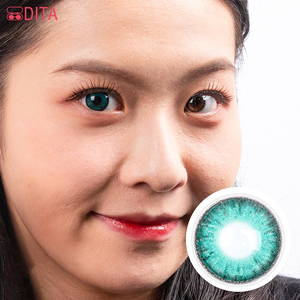
In Stock Monthly Disposable 2 Pieces Contact Lenses Silicone Hydrogel Lens 14mm
Inquire Now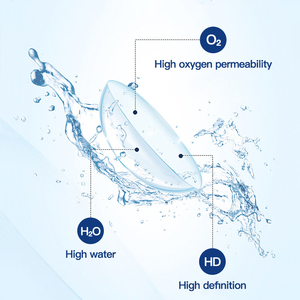
Free Magister Silicone Hydrogel Daily Disposable High Oxygen Permeability Soft clear Contact Lens Prescription Contact Lens
Inquire Now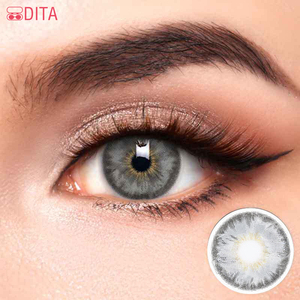
OEM Brand Silicone Hydrogel 1 Year Cheap Eye Contact Lenses Cosplay Disposable Contact Lenses
Inquire Now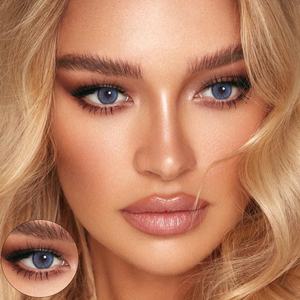
Mesiru Comfortable Blue Soft Silicone Hydrogel Contact Lenses 5-Year Natural Look Wholesale Price
Inquire Now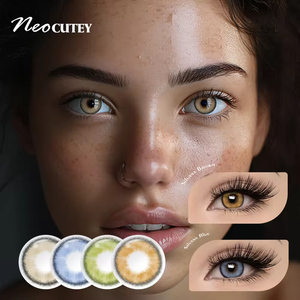
Silvana Neocutey Silicone Hydrogel Contact Lenses Prolong Wear Lenses Colored Eyes
Inquire Now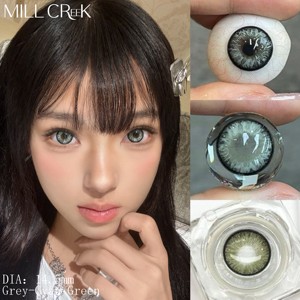
MILL CREEK Natural Green Yearly Prescription Silicone Hydrogel Colored Contact Lenses Bulk Factory Supplier Cosplay
Inquire Now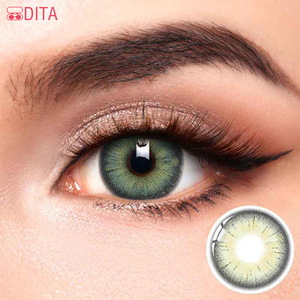
High-oxygen Breathable Silicone Hydrogel Transparent Prescription Contact Lenses Disposable Soft Contact Lenses for Myopia
Inquire Now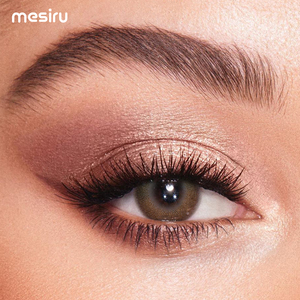
Medical Prescription Fashion Luxury Soft Eye Contact Private Label Silicone Hydrogel Colored Contact Lens 40% Water Content
Inquire NowPolymer Evolution: Silicone Hydrogel Chemistry & Ocular Physiology
An authoritative evaluation of macromolecular siloxane network engineering, corneal hypoxia mitigation, and surface wettability thermodynamics for B2B procurement directors.
1. Siloxane Monomer Engineering
Traditional hydrogel lenses (HEMA-based) rely entirely on water content to transport oxygen to the cornea, capping oxygen transmissibility (Dk/t) around 20-30. Silicone hydrogel matrix polymers incorporate fluoro-siloxane monomers (such as TRIS and macromolecular siloxanes), allowing direct oxygen diffusion through the polymer pathways. This achieves oxygen transmissibility values exceeding 100 to 145 Dk/t, completely eliminating corneal edema and end-of-day hypoxic redness.
2. Modulus & Wetting Mechanics
First-generation silicone hydrogels suffered from high modulus (rigidity), leading to papillary conjunctivitis and mechanical awareness. Our 3rd Generation formulation balances a low Young’s modulus (0.35–0.5 MPa) with intrinsic hydrophilic wetting agents (such as PVP copolymer networks). By embedding moisture internally rather than relying on surface plasma coatings, lenses maintain tear-film stability without lipid phase separation.
3. Pigment Encapsulation Technology
For colored contact lenses, optical safety requires absolute isolation of bio-pigments. Utilizing dual-layer sandwich micro-encapsulation, organic tint pigments are locked inside the inert silicone polymer matrix. This prevents direct contact between toxic color dyes and the corneal epithelium, satisfying stringent EU CE Class IIb and US FDA medical device standards for cosmetic wear safety.
Information Gain Insight: Mitigating the Hydrophobic Silicone Dilemma
Silicone is naturally hydrophobic and prone to lipid attraction. Early manufacturing solutions applied surface plasma oxidation to create a hydrophilic skin. However, modern 3rd generation manufacturing processes utilize interpenetrating polymer networks (IPN) that integrate hydrophilic monomers (like DMA and NVP) directly into the siloxane backbone. As a China wholesale silicone hydrogel contacts manufacturer, our factory utilizes proprietary cast-molding tech that locks water molecules within the core polymer, resulting in a permanent wet-ability angle below 35 degrees without coating decay.
Material Generation Comparison Matrix
| Performance Metric | 1st Gen Hydrogel (HEMA) | 1st Gen Silicone Hydrogel | 3rd Gen Silicone Hydrogel (Our Standard) |
|---|---|---|---|
| Oxygen Permeability (Dk/t) | 15 - 30 Dk/t (Hypoxic Risk) | 80 - 100 Dk/t | 130 - 150 Dk/t (Hyper-Transmissible) |
| Young's Modulus (Flexibility) | 0.25 - 0.35 MPa (Very Soft) | 1.1 - 1.4 MPa (Stiff / High Friction) | 0.38 - 0.50 MPa (Optimal Soft Comfort) |
| Water Content Equilibrium | 55% - 69% (Dehydrates Eye) | 24% - 36% (Drying Surface) | 40% - 48% (Stable Tear-Film Hydration) |
| Surface Wettability Method | Intrinsic Hydration | Plasma Surface Treatment | Intrinsic Hydrophilic IPN (No Surface Decay) |
| Lipid & Protein Deposition | High Protein Binding | High Lipid Binding | Dual Anti-Fouling Resistance |
Future Procurement Trends in the Global Contact Lens Market
Key shifts impacting B2B distributors, optical chain retailers, e-commerce brand owners, and OEM importers over the next 3 to 5 years.
1. Rapid Phase-Out of Standard HEMA Hydrogels
Global regulatory bodies and optometrist networks are progressively shifting recommendations toward high-Dk silicone hydrogel materials. B2B procurement channels must migrate their core SKUs from standard 2D HEMA hydrogels to silicone hydrogel formulations to meet consumer demands for all-day screen wear and dry-eye reduction.
2. Daily Disposable & Hybrid Rx Sizing Surge
Market data reveals a steep trajectory in daily disposable silicone hydrogel demand, alongside specialized cosmetic prescriptions (Rx up to -10.00D with toric/astigmatism options). Modern buyers demand localized warehousing agility combined with quick factory turnaround times for bespoke diameter and base-curve configurations.
3. Agile Low-MOQ Private Label Customization
Traditional rigid factory MOQs of 50,000 pieces per color are being replaced by agile, low-MOQ contract manufacturing model programs. Fast-growing beauty and optical startups require custom packaging options (vials, foil blisters, eco-friendly boxes) with initial trial production runs starting as low as 500 to 1,000 pairs per SKU.
Enterprise Manufacturing Excellence & Compliance Standards
Leveraging advanced optical engineering, automated cleanroom manufacturing, and comprehensive global regulatory support for seamless private-label distribution.
Fully Automated Cast-Molding Lines
Our state-of-the-art facility features Class 100,000 cleanroom environments fitted with high-precision optical nano-lathes and robotic cast-molding systems. This ensures consistent base curve radii (+/- 0.02mm), smooth edge geometry, and zero manual tactile contamination during synthesis.
ISO 13485 & CE Quality Assurance
Operating under strict medical device quality management frameworks, every batch undergoes 100% automated optical inspection (AOI) for edge tear defects, concentricity, power accuracy, and bubble voids, accompanied by full batch documentation and certificate of analysis (COA).
Full Turnkey OEM / ODM Solutions
From custom iris color pattern design (natural 3-tone, cosplay FX, sclera) to sterile blister foil sealing, secondary box artwork printing, and specialized rewetting eye drop bundles, we deliver shelf-ready retail products designed to accelerate market entry.
Frequently Asked Questions for Bulk Procurement
Answers to essential technical, regulatory, packaging, and logistics questions from professional optical importers and brand buyers.
What is the minimum order quantity (MOQ) for wholesale and OEM orders?
For factory stock in-house brands, our minimum order quantity starts as low as 50 pairs with flexible color and power mix options. For custom OEM private label packaging (custom blister foils and outer box artwork), our standard baseline MOQ starts at 500 to 1,000 pairs depending on the lens series chosen.
What international medical device certifications do your products carry?
Our manufacturing plants operate under strict ISO 13485 medical device quality standards. Products carry EU CE certification (CE 2797 / Class IIb) and meet global GMP cleanroom standards, allowing legal import and distribution into European, Asian, Latin American, and Middle Eastern healthcare markets.
Why is Silicone Hydrogel superior to traditional HEMA materials for wholesale inventory?
Silicone hydrogel provides 4x to 5x higher oxygen transmissibility (Dk/t) than standard hydrogel. This prevents corneal hypoxia, reduces end-of-day eye irritation, and enables extended comfortable wear. From a commercial perspective, stocking silicone hydrogel reduces product returns, enhances brand prestige, and aligns with modern optometric recommendations.
What is the typical lead time for sample delivery and bulk OEM production?
Stock evaluation samples are dispatched within 24 to 48 hours. Standard in-stock bulk orders are shipped within 7 business days. Custom OEM orders—including artwork verification, mold preparation, blister sealing, and aging test protocols—are completed in 15 to 20 business days.
How do you guarantee color consistency across different production batches?
We utilize digital spectrophotometer color-matching technology alongside automated multi-angle layer inspection. Combined with our enclosed sandwich printing technology, every batch maintains strict color delta tolerances (Delta E < 0.5), ensuring that reorders perfectly match initial consumer expectations.
What payment and international freight methods are supported?
We accept T/T (Bank Wire), L/C at sight, PayPal, Credit Cards, and Western Union. Logistics options include express air freight (DHL, FedEx, UPS - 3-5 days delivery), air cargo, ocean freight for bulk containers, and DAP/DDP door-to-door delivery solutions with customs clearance support.
Partner With China's Premier Silicone Hydrogel Manufacturer
Elevate your product catalog with certified high-oxygen silicone hydrogel contact lenses. Request free evaluation samples, technical spec sheets, and instant OEM price quotes today.