B2B Core Contact Lenses & Care Products
High-volume wholesale solutions, specialty optical lenses, and contact lens accessories manufactured under international cleanroom protocols.
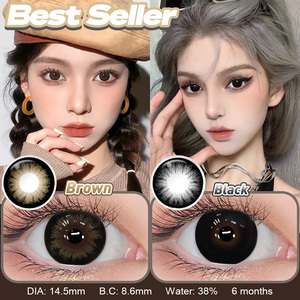
Free Shipping Power Lens 16mm Colour Contact Lenses Custom Brand Logo Eye Contacts Prescription 1.00-6.00 Eye Contact Lenses
Inquire Now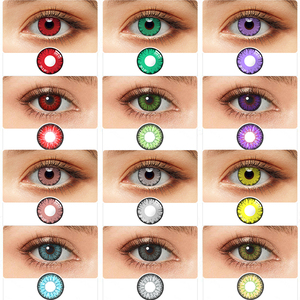
Hapipurecon Cosplay Sclera Contact Lenses Cosplay Contact Lens Bright Colored Contact Lensee OEM ODM
Inquire Now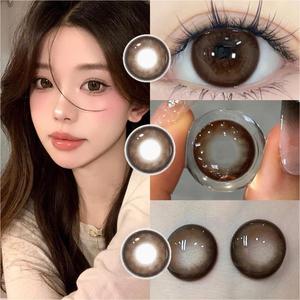
Haipurecon Natural 3 Tone Colored Contact Lenses 14.5mm Yearly Disposable Big Eye Soft Lenses OEM ODM Wholesale
Inquire Now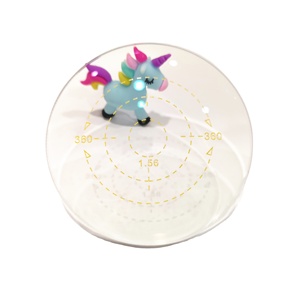
Kids Uv420 Anti Blue Block Cut Eyeglasses Optical Lenses Single Vision Myopia Control Lens
Inquire Now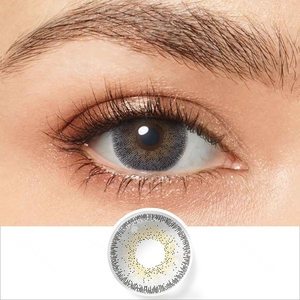
Very Cheap Freshgo Colored Contact Lenses Blended Eye Color Contact Lens Lentilles De Contact De Couleur PROMOTION
Inquire Now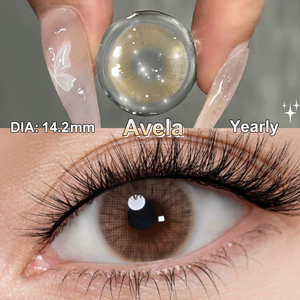
Free Sample Freshgo Hidrocor Eye Contact Lenses Natural Colored Contact Lenses Big Eye Contact Lenses Le Lentilles Pour Les Yeux
Inquire Now
Haipurecon Black Cosplay Sclera Contact Lenses Cosplay Contact Lens Bright Colored Contact Lensee 14.5mm
Inquire Now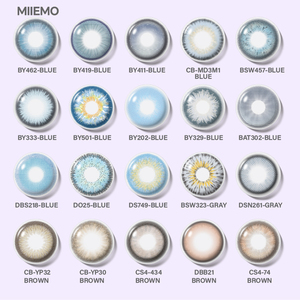
2026 Best Selling Colored Contact Lenses Soft Natural Eye Lenses ISO Certified 38% Water Content Half Year Using Cycle Wholesale
Inquire NowCorporate Engineering & Factory Operational Capabilities
Stephies Lens CO.,LTD operates at the intersection of bio-pharmaceutical sterilization, precision ocular optics, and B2B turn-key contract manufacturing.
Class 100,000 Automated Cleanrooms
Our state-of-the-art sterile manufacturing facility adheres rigorously to ISO 14644-1 Class 7 cleanroom standards. Automated blow-fill-seal (BFS) bottling technology minimizes human touchpoints, guaranteeing continuous aseptic conditions during multi-purpose contact lens solution formulation and container sealing.
CE MDR & ISO 13485 Regulatory Compliance
We maintain exhaustive technical documentation and Quality Management Systems (QMS) aligned with European Medical Device Regulation (EU MDR 2017/745) Class IIb and ISO 13485:2016. Every batch undergoes stringent bio-burden testing, cytotoxicity screening, and long-term stability trials.
Custom Chemical Formulation R&D
Our ocular pharmacologists specialize in tailoring matrix formulations—balancing disinfection efficacy against Polyhexamethylene Biguanide (PHMB) or Polyquaternium-1 with superior wetting agents like Sodium Hyaluronate (HA) and Hydroxypropyl Methylcellulose (HPMC) for sensitive eyes.
Evaluating High-Performance Contact Lens Solution Formulations
For ocular healthcare distributors, optical retail chains, and private-label brand owners, specifying the correct contact lens care solution requires a precise understanding of antimicrobial chemistry, surface tension reduction, and polymer-compatible preservation systems.
1. The Chemistry of Multi-Purpose Solutions (MPS)
Modern Multi-Purpose Solutions (MPS) must perform four non-negotiable biophysical functions simultaneously: disinfection, protein de-esterification, lipid solubilization, and persistent hydration. Unlike simple saline, an advanced MPS utilizes a balanced buffering agent (typically Phosphate-Buffered Saline or Borate systems) to maintain physiological tear pH (7.2 – 7.6) and osmotic pressure (280 – 320 mOsm/kg).
The key active disinfection agents include:
- Polyhexamethylene Biguanide (PHMB / Polyhexanide): Exceptionally effective against Gram-positive and Gram-negative bacteria at ultra-low concentrations (0.0001% w/v), neutralizing microbial cell membranes without causing corneal epithelial toxicity.
- Polyquaternium-1 (PQ-1): A macromolecular cationic polymer that resists penetration into soft hydrogel and silicone hydrogel matrix pores, drastically minimizing ocular surface staining and allergen retention.
- Myristamidopropyl Dimethylamine (MAPDA): Synthesized specifically to eradicate fungal spores and Acanthamoeba trophozoites, meeting ISO 14729 standalone disinfection benchmarks.
2. Wetting Agents & Moisture Retention Technologies
The modern lens wearer demands all-day comfort (16+ hours of wear). OEM solutions manufactured at our CE-certified factory incorporate dual-action wetting systems. By pairing Sodium Hyaluronate (HA)—which binds up to 1,000 times its molecular weight in water—with Poloxamer 407 / Pluronic surfactants, the solution creates a viscous bio-mimetic cushion on both hydrogel and silicone hydrogel lens surfaces, preventing end-of-day dryness and tear film collapse.
Comparative Formulation Matrix for OEM/ODM Buyers
| Formulation Type | Primary Disinfectant | Hydration Matrix | Shelf Life | Target Market Segment |
|---|---|---|---|---|
| Standard All-in-One MPS | PHMB 0.0001% + EDTA | HPMC / Poloxamer 407 | 36 Months | Mass Retail, Standard Hydrogel Lenses |
| Sensitive Eye Ultra-Moist | Polyquaternium-1 + MAPDA | Sodium Hyaluronate (HA) | 24 Months | Premium Optical Chains, Sensitive Corneas |
| Silicone Hydrogel Advanced | PQ-1 + Alexidine Dihydrochloride | EOBO (Ethylene Oxide/Butylene Oxide) | 36 Months | High-Dk SiHy Lenses, Extended Wearers |
| Cosplay & FX Lens Care | Buffered Saline + PHMB | PVP (Polyvinylpyrrolidone) | 24 Months | 16mm / 22mm Sclera & Pigmented Lenses |
Future Procurement & Sourcing Trends (2026–2030)
Navigating structural changes in global supply chains, sustainable packaging mandates, and smart manufacturing automation.
1. Eco-Friendly Sustainable Packaging
Global B2B buyers are pivoting rapidly toward 100% recyclable post-consumer resin (PCR) bottle bodies and bio-based caps. OEM buyers now demand reduced plastic footprints without compromising moisture permeability or container closure integrity (CCI).
2. Smart Traceability & GS1 Serialization
Regulatory bodies, including the EU MDR and US FDA UDI systems, necessitate 2D DataMatrix serialization on all individual outer cartons and solution bottles. Real-time batch monitoring ensures complete supply chain transparency from raw chemical synthesis to end-user pharmacy shelves.
3. Preserved vs. Preservative-Free Unit Doses
While multi-dose 360ml bottles remain the volume driver, procurement trends indicate a 28% annual increase in single-use sterile unit-dose blow-fill-seal (BFS) ampoules. Eliminating chemical preservatives caters to post-refractive surgery patients and severe dry-eye demographics.
Regulatory Pathways: CE Certificate Validation & Quality Control
Operating as a certified OEM/ODM factory requires continuous alignment with global medical device standards. Distributors importing contact lens solutions must verify that their contract manufacturer provides robust technical documentation.
ISO 14729 Standalone Disinfection Test
To earn CE certification, contact lens care solutions must pass rigorous microbiological challenges. The formulation must achieve a minimum 3.0 log reduction of bacteria (Serratia marcescens, Pseudomonas aeruginosa, Staphylococcus aureus) and a minimum 1.0 log reduction of fungi (Candida albicans, Fusarium solani) without mechanical wiping.
ISO 10993 Biological Evaluation of Medical Devices
Safety validation extends beyond microbial control. Our factory performs comprehensive biocompatibility testing under ISO 10993 standards, including In Vitro Cytotoxicity (MEM Elution), Ocular Irritation (Draize Testing Alternatives), and Systemic Toxicity evaluation to guarantee corneal cell viability.
Frequently Asked Questions (FAQ) for B2B Sourcing
Clear, authoritative technical answers to common queries raised by international buyers, brand managers, and regulatory officers.
Partner with a Certified OEM Contact Lens & Solution Factory
Take advantage of high-volume sterile manufacturing, custom packaging design, and full international regulatory compliance support. Speak directly with our engineering team today.
Inquire Now