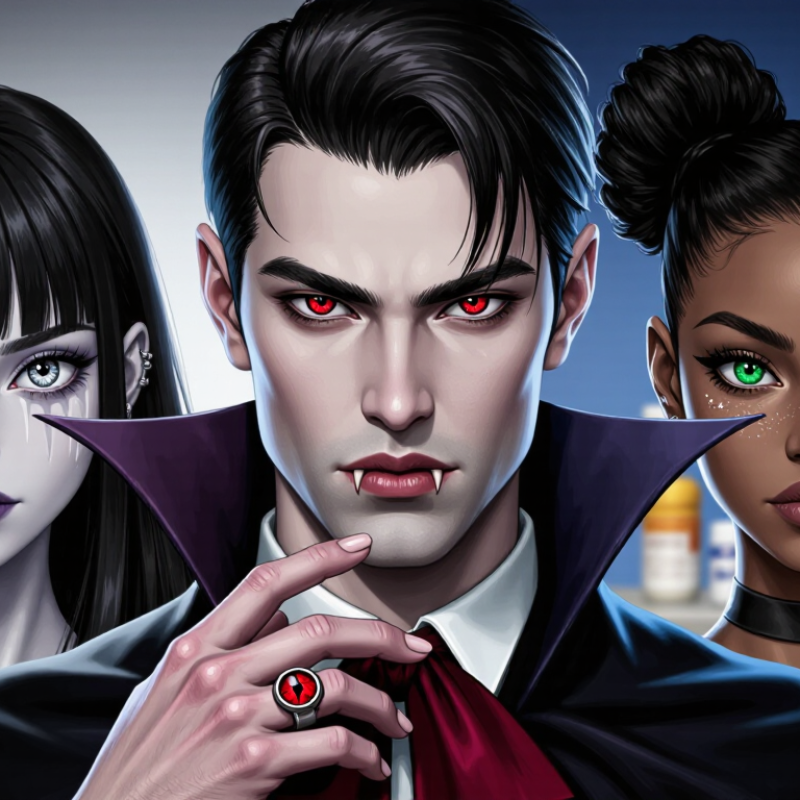
Halloween turns ordinary styling into visual storytelling. A silver iris can suggest a moonlit ghost. A ring of red can sharpen a vampire-inspired look. Halloween Costume FX Contact Lenses help create that transformation with one small, highly visible detail.
The market context is strong. The National Retail Federation’s 2024 Halloween Consumer Survey estimated $11.6 billion in U.S. Halloween spending. Its findings also show continued demand for costumes, decorations, and themed accessories. Grand View Research’s Contact Lens Market Size, Share & Trends Analysis, 2024–2030, describes contact lenses as a growing global category, supported by cosmetic and lifestyle applications. These reports do not prove that every decorative lens is safe. They show why consumers need better information.
Safety must lead the conversation. The U.S. Food and Drug Administration warns that decorative lenses can cause corneal scratches, infections, and impaired vision when obtained without professional guidance. In many markets, cosmetic lenses are regulated as medical devices, not simple party accessories. A responsible buyer should seek an eye-care professional’s fitting advice, confirm the seller’s credentials, and follow the lens manufacturer’s cleaning instructions. Never share lenses. Never sleep in them unless specifically directed. Remove them immediately if redness, pain, light sensitivity, or blurred vision appears.
The experience should feel theatrical, not risky. That distinction matters. Product quality, realistic color design, and breathable materials can improve comfort, but no feature replaces professional care. Some online listings look convincing. That is not enough. This guide will examine why people choose Halloween Costume FX Contact Lenses, how styles support different characters, and which purchasing habits protect the eyes behind the costume.
What Are Halloween Costume FX Contact Lenses?
What Are Halloween Costume FX Contact Lenses?
Halloween costume FX contact lenses are decorative lenses designed to change the visible appearance of your eyes. They can create silver irises, enlarged pupils, reptile patterns, or an intentionally unnatural gaze. The effect is immediate. They are not toys. These lenses sit directly on the cornea, so material, fit, moisture, and oxygen flow all matter.
The U.S. Food and Drug Administration classifies decorative contact lenses as medical devices, even when they have no vision-correction power. Its consumer guidance states that a prescription and professional fitting are required in the United States. The Centers for Disease Control and Prevention estimates that about 45 million Americans wear contact lenses. That figure shows how common lens use is, but it does not make costume lenses automatically safe. A poor fit may cause redness, pain, blurred vision, or corneal injury. British Contact Lens Association guidance also stresses professional assessment and hygienic handling. The category sounds playful, yet its medical risks are easy to underestimate.
Tips: Book an eye examination before buying. Choose lenses from a legally authorized source. Wash and dry your hands first. Never share lenses, sleep in them, or use tap water for cleaning. Remove them immediately if discomfort begins. Keep the original packaging and follow the stated replacement schedule. I would also question dramatic claims about “one-size-fits-all” comfort; eyes are not identical, and a mirror cannot measure a safe fit.
Why Choose Halloween Costume FX Contact Lenses? - What Are Halloween Costume FX Contact Lenses?
| Data Dimension | What It Means | Typical Halloween Costume FX Lens Information | Why It Matters for Costume Design |
|---|---|---|---|
| Primary Purpose | Decorative lenses designed to change the apparent color, pattern, or size of the iris. | Used to support character makeup, cosplay, theatrical styling, photography, and Halloween costumes. | They can make a costume feel more complete by adding an eye effect that standard makeup cannot create. |
| Common FX Styles | The visual pattern or special effect printed on the lens. | Examples include solid color, enlarged iris, cat-eye, mesh-style, white-out, red, black, or fantasy patterns. | Different designs can suggest supernatural, creature, horror, fantasy, or sci-fi characters. |
| Color Coverage | The amount of the visible iris covered by the decorative design. | Light-tint designs may subtly enhance the natural eye color, while opaque designs are intended to create a stronger transformation. | Opaque coverage generally creates a more dramatic effect, especially for photographs and costumes viewed from a distance. |
| Lens Diameter | The total width of the contact lens, measured in millimeters. | Many soft cosmetic lenses are approximately 14.0–15.0 mm in diameter, but exact measurements vary by product. | Diameter influences how large the iris appears and whether the lens is suitable for the wearer’s eye. |
| Base Curve | The curvature of the lens designed to correspond with the front surface of the eye. | Common soft-lens base curves often fall around 8.4–8.8 mm, although this is not universal. | A proper fit is important for movement, comfort, vision, and safe wear. A base curve should not be selected by appearance alone. |
| Lens Material | The material used to form the contact lens. | Most costume contact lenses are made from soft hydrogel or silicone hydrogel materials. | Material affects oxygen transmission, moisture behavior, flexibility, and wearing comfort. |
| Prescription Availability | Whether the lens can correct refractive errors such as nearsightedness or farsightedness. | Some decorative lenses are plano, meaning they provide no vision correction; others may be available with prescription powers. | Wearers who need vision correction should use a properly prescribed option rather than assuming a decorative lens can correct vision. |
| Typical Wear Schedule | The period and frequency for which the lens is approved for use. | Products may be daily disposable, frequent replacement, or planned replacement lenses. The package instructions determine the permitted schedule. | Following the approved schedule helps reduce deposits, contamination, discomfort, and the risk of eye complications. |
| Visibility Considerations | How the decorative pattern may affect the wearer’s field of view. | Large opaque patterns, small pupil openings, or off-center lenses may interfere with vision, particularly in dim lighting. | Wearers should test visibility in safe conditions and should not drive or perform hazardous activities if vision is affected. |
| Comfort Factors | Features that influence how the lens feels during wear. | Fit, material, surface moisture, edge design, wearing time, makeup particles, and environmental dryness can all affect comfort. | A dramatic appearance is useful only when the lens remains comfortable and does not cause irritation or blurred vision. |
| Required Professional Check | The eye-care assessment used to determine whether a lens is suitable and properly fitted. | Decorative contact lenses should be obtained through an authorized optical or eye-care channel and fitted according to local regulations. | Even non-prescription lenses are medical devices in many regions and can damage the eye when poorly fitted or misused. |
| Cleaning and Storage | Methods used to maintain lens hygiene between uses. | Reusable lenses require fresh approved contact-lens solution, a clean case, proper handwashing, and replacement of the case as directed. | Tap water, saliva, homemade saline, and shared storage containers can introduce microorganisms and should not be used. |
| Makeup Compatibility | The order and conditions for wearing lenses with cosmetics. | Insert lenses before applying eye makeup and remove lenses before removing makeup. Avoid applying products directly to the lens. | This reduces the chance that powders, glitter, oils, or pigments will contaminate the lens or irritate the eye. |
| Activities to Avoid | Situations that can increase contamination, dryness, or lens displacement. | Do not sleep, swim, shower, or use hot tubs while wearing lenses unless specifically approved by an eye-care professional and the product instructions. | Water exposure and overnight wear can substantially increase the risk of serious eye infection. |
| Warning Signs | Symptoms that indicate the lenses should be removed immediately. | Pain, redness, unusual sensitivity to light, discharge, persistent blurred vision, swelling, or worsening irritation. | Remove the lenses and seek prompt professional eye-care advice if symptoms continue or are severe. |
| Best Costume Benefit | The main creative advantage of using FX contact lenses. | They provide a fast, high-impact change to the eyes without permanent alteration and can coordinate with costumes, prosthetics, wigs, and makeup. | They are especially effective when the eye design reinforces the character’s color palette, personality, or fictional origin. |
Safety note: Costume FX contact lenses are not risk-free simply because they are decorative or non-prescription. Use only lenses that are legally supplied for your region, follow the fitting and care instructions, never share lenses, and stop wearing them if discomfort or vision changes occur.
FAQS
They can make eyes look ghostly, vampiric, animal-like, cracked, webbed, or galaxy-inspired. Small details matter.
It can create a doll-like look, especially with pale or unnatural colors. Lighting may soften the effect.
Usually, no. The glowing appearance is often a printed illusion that changes under different lighting.
They can hide natural eye color strongly, but may reduce visibility. Comfort comes first.
Yes. An eye-care professional can check your eye surface, prescription, diameter, and base curve. Even cosmetic lenses need proper fitting.
Match the design with the character’s mood, lighting, and viewing distance. A pale iris may look subtle indoors but striking outdoors.
Wash and dry your hands before touching them. Use fresh approved solution, never tap water. Do not share lenses.
Remove them immediately for pain, redness, blurred vision, unusual sensitivity, or heavy watering. Do not ignore warning signs.
Yes. Try them before the event, not minutes before leaving. Carry glasses as a backup. I once valued appearance too much. Comfort changes everything.
Conclusion
Halloween Costume FX Contact Lenses are specially designed cosmetic lenses that transform the appearance of the eyes, helping create dramatic, mysterious, or fantastical characters for Halloween events, performances, and themed photography. Available effects may include unusual colors, enlarged-looking pupils, animal-inspired patterns, glowing-style designs, and other imaginative details. By changing the eyes, these lenses can add depth and realism to costumes that might otherwise feel incomplete.
Choosing the right design should match the character, makeup, clothing, and overall mood while still allowing comfortable vision. Safety should always come first: purchase lenses only from legitimate, regulated sources, follow professional fitting guidance, never share them, and avoid wearing them longer than recommended. Users should wash and dry their hands before handling lenses, clean and store them with the proper solution, and replace the solution as directed. Anyone experiencing pain, redness, blurred vision, or irritation should remove the lenses immediately and seek professional eye care.