0%

Bespoke Special Effects Contact Lenses can make a character’s look feel striking, from a subtle change in iris color to a dramatic on-screen effect. Choosing a pair, however, involves more than matching a design to a costume. The lens should suit the wearer’s eyes, intended use, and comfort needs. A vivid pattern may look perfect in a photograph yet feel distracting after an hour. Small details matter.

Start by checking who makes the lenses and whether a qualified eye-care professional can assess the fit. Decorative lenses still sit directly on the eye, so a proper fitting and suitable prescription matter, even when vision correction is not needed. Ask about materials, wear limits, cleaning instructions, and replacement schedules. Never share lenses, and stop wearing them if you notice pain, redness, blurred vision, or unusual sensitivity. Seek prompt advice from an eye-care professional.

Think about the setting, too. Stage lights, close-up photography, and long event hours can affect how a lens looks and feels. Bring reference images, but discuss realistic colors and visibility with your practitioner. Custom design does not guarantee a custom fit. That distinction is easy to miss. There may be trade-offs between a bold effect and comfortable, clear vision, and it is worth reconsidering a design that feels wrong in practice. The best choice balances appearance with professional guidance, careful hygiene, and comfort.
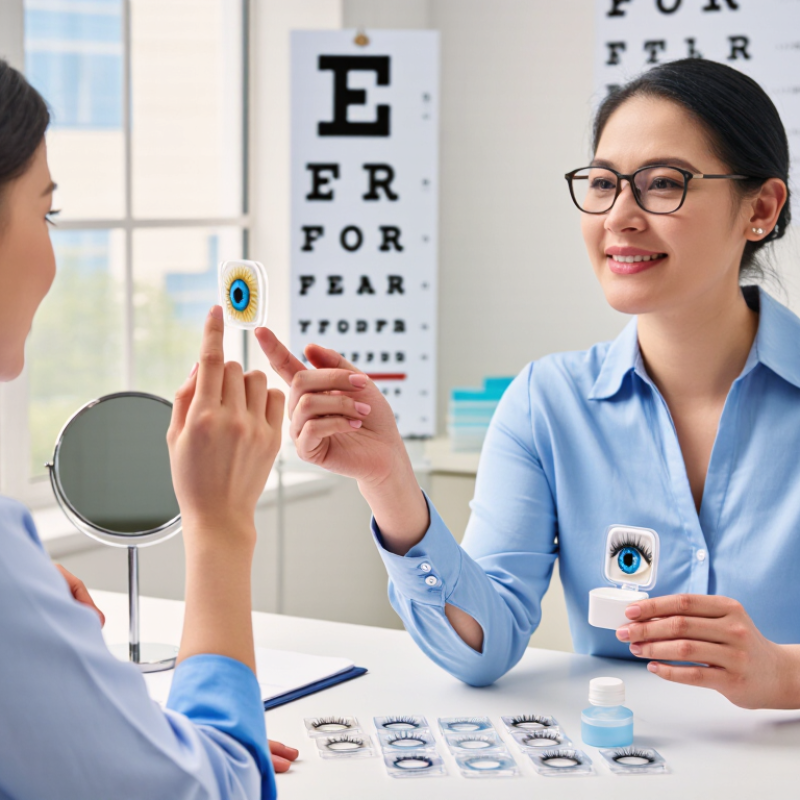
How to Choose Bespoke Special Effects Contact Lenses

Understanding Bespoke Special Effects Contact Lenses

Bespoke special effects contact lenses are designed around a specific look, such as a narrow pupil, unusual iris pattern, or layered color. The design is only one part of the process. A qualified eye-care professional should assess your eyes and check the lens fit before wear. Measurements such as base curve and diameter matter because a lens sits directly on the eye. A striking pattern cannot fix a poor fit. Comfort matters.

Ask how the lenses are made, what materials they use, and how they should be cleaned and stored. Custom artwork may look different under bright studio lights than in a dim room, so discuss where you plan to wear them. Follow the prescribed wearing schedule, and never share lenses, even for a brief photo shoot. Remove them if you notice pain, redness, blurred vision, or unusual light sensitivity, and contact an eye-care professional promptly. Small details count. Even a carefully chosen design can feel wrong after several hours; treat that as useful feedback, not something to push through.

Defining the Desired Look and Intended Use

Start with the scene, not the lens. Is the effect meant for a dim theatre, a close-up photograph, or several hours at a convention? A pale, cloudy iris may read clearly under stage lights but obscure natural detail in daylight. Note the viewing distance, lighting, wear duration, and how much of the iris should change. Keep the pupil area unobstructed. Small details matter.

A sketch is not a prescription. The U.S. Centers for Disease Control and Prevention estimates that about 45 million people in the United States wear contact lenses, but that broad figure does not establish that any special-effect design is suitable for an individual eye. Ask an eye-care professional to assess fit and vision needs before ordering bespoke lenses. Share the intended setting and schedule, and discuss comfort, visibility, cleaning, and replacement. For a short photo session, the practical choice may differ from one worn through a long performance. I would not assume a dramatic pattern will look identical on every iris; eye colour, lens movement, and lighting can change the result. CDC contact-lens health guidance is a useful safety reference, not a substitute for an individual fitting.

Choosing Lens Materials, Fit, and Optical Features

Bespoke special effects contact lenses should be chosen for eye health as well as appearance. Material matters. Ask an eye care professional about oxygen transmission, surface finish, and how the lens handles moisture. A high water content alone does not guarantee comfort or adequate oxygen flow. Lens thickness and pigment placement can also affect how a lens feels during wear. These details vary by design, so a qualified fitting is important.

Fit is personal. Measurements of the cornea help determine lens diameter and curve, but a trial lens can reveal issues that numbers miss. It should move gently with each blink, sit centrally, and feel comfortable without pinching or persistent dryness. Not quite right? Don’t try to correct the fit yourself. Have the lens assessed, and follow the recommended wearing and cleaning instructions.

Optical features deserve equal care. A dense iris pattern may create a dramatic look, yet an opening that is too small can limit vision, especially in dim rooms. Ask how the pupil aperture behaves when your pupils widen, and test vision under realistic lighting during a professional fitting. Some designs may slightly soften peripheral vision. That trade-off is easy to overlook in product photos, and it deserves an honest conversation before choosing.

Assessing Custom Design and Professional Fitting

Custom special-effects lenses should start with the eye, not the artwork. Bring reference images, but discuss how the pattern, opacity, and pupil opening may affect sight. A qualified eye-care professional can assess your prescription, corneal shape, and tear film before recommending a design. Even a carefully drawn iris can look different on the eye. Small details matter.

A professional fitting checks more than appearance. During an appointment, the lenses should sit centered and move gently with each blink. Ask how vision may change in dim light, especially if the printed pupil area is small. A dramatic look is not worth restricted sight. Custom design does not guarantee comfort, and an uncomfortable lens should never be forced. Follow the cleaning and replacement instructions you receive, and do not share lenses. If you notice pain, redness, or blurred vision, remove them and contact an eye-care professional promptly. Even careful planning can miss something; report discomfort rather than trying to adapt to it.

How to Choose Bespoke Special Effects Contact Lenses — Assessing Custom Design and Professional Fitting
Assessment Area What to Check Why It Matters Recommended Action
Eye-care consultation Whether an eye-care professional will assess your eyes and oversee the lens fitting, even if the lenses have no vision correction. Decorative lenses are medical devices and can cause eye injury or infection when poorly fitted or used incorrectly. Arrange a professional assessment before ordering or wearing lenses.
Custom design brief Desired color, pattern, opacity, coverage, and intended use, such as a performance or costume. A clear brief helps the designer assess whether the effect is practical while preserving suitable vision and comfort. Share reference images and explain how and where you plan to wear the lenses.
Eye measurements Measurements and observations needed by the practitioner to evaluate lens size, curvature, and alignment. Eye shape varies; a lens that does not fit correctly may move excessively, feel uncomfortable, or irritate the eye. Have measurements taken and interpreted by a qualified eye-care professional rather than estimating them yourself.
Pupil opening and vision Whether the clear pupil zone aligns with your pupil in different lighting conditions. A design that obstructs the pupil or shifts out of alignment may interfere with vision, particularly in dim light. Ask for an in-person fit and vision check; do not wear lenses that noticeably impair your sight.
Material and oxygen transmission Lens material, oxygen transmission, and whether the design is suitable for your eyes and planned wearing time. Contact lenses cover the cornea, so material and wearing habits affect eye comfort and health. Use only lenses approved for your individual fit and follow the practitioner’s wearing instructions.
Trial fitting Lens movement, centration, comfort, and vision while the lenses are on the eyes. A visual design preview cannot confirm that a lens fits safely or performs well on the eye. Complete a professional fitting and follow-up before relying on the lenses for an event.
Wear schedule Permitted daily wearing time, replacement schedule, and whether the lenses are intended for single use or reuse. Overwearing or using lenses beyond their stated replacement period can increase the risk of complications. Follow the eye-care professional’s and lens instructions; never sleep in lenses unless specifically directed.
Hygiene and storage Cleaning, disinfection, storage, and handling instructions appropriate to the specific lens. Poor lens hygiene can introduce microorganisms and lead to serious eye infections. Wash and dry hands before handling; use recommended lens-care products, and never share lenses.
Water and environment Planned activities involving swimming, showering, or other water exposure. Water can expose lenses to harmful microorganisms and increase the risk of infection. Remove lenses before swimming or showering, unless an eye-care professional has given different instructions.
Warning signs Eye pain, increasing redness, light sensitivity, discharge, blurred vision, or persistent irritation. These symptoms may indicate a problem that requires prompt attention. Remove the lenses and contact an eye-care professional promptly; seek urgent care for severe or sudden symptoms.

Following Safe Wear, Cleaning, and Storage Practices

Bespoke special effects lenses can change how your eyes look, but a poor fit can also irritate or injure them. Ask an eye-care professional to assess the fit before wearing them, even if the lenses have no vision correction. Follow the wear schedule provided for your specific lenses. Keep wear periods conservative, especially during your first few uses. Comfort matters.

Wash and dry your hands before touching a lens. Use only sterile contact lens solution recommended for your lens type; tap water and saliva can introduce harmful germs. Rub and rinse each lens as directed, even when the packaging describes it as no-rub. Never share lenses. Remove them before sleeping, showering, or swimming. If your eyes become painful, red, unusually sensitive to light, or blurry, take the lenses out and contact an eye-care professional promptly. Don’t wait for the look to fade.

Store lenses in a clean case with fresh solution, not leftover liquid. Let the case air-dry upside down on a clean surface, and replace it regularly according to professional advice. Check each lens under good light before insertion. A torn edge or stubborn deposit is a reason not to wear it. It’s tempting to stretch a wear schedule for a special event, but that shortcut isn’t worth risking your sight. Follow the care instructions supplied for your lenses.

How to Choose Bespoke Special Effects Contact Lenses: Safe Wear, Cleaning & Storage

Checklist counts show the actions covered in each stage, not measured risk. Get decorative lenses fitted by an eye-care professional and follow the lens and solution instructions. Wash and dry your hands before handling lenses, never use tap water or saliva, and remove lenses if you experience pain, redness, or blurred vision.

FAQS

What should I decide before choosing a custom-effect lens?

Think about the setting, lighting, viewing distance, and wear time. A theatre spotlight differs from bright daylight.

Can a pale, cloudy design work in every setting?

Not always. It may stand out onstage but hide natural iris details in daylight. I might underestimate that difference.

Should I bring a sketch or reference images to an appointment?

Yes. They help explain the pattern, opacity, and pupil opening you want. A sketch is not a prescription.

Why is a professional fitting important?

An eye-care professional can assess your prescription, corneal shape, and tear film. They can also check how the lens sits and moves.

Could a small printed pupil area affect vision?

Yes, especially in dim light. Ask about visibility before choosing a design. Clear sight matters more than drama.

How can I tell whether a lens fits comfortably?

It should sit centered and move gently with each blink. Do not force an uncomfortable lens. That seems easy to forget.

What should I do if my eye becomes red or blurry?

Remove the lens and contact an eye-care professional promptly. Do not wait and hope it settles.

How should I care for custom-effect lenses?

Follow the cleaning and replacement instructions you receive. Never share lenses, even for a quick photo.

Conclusion

Bespoke Special Effects Contact Lenses can help create a distinctive look for performances, photography, or themed events. Choosing the right pair starts with defining the effect you want and when you plan to wear the lenses. Consider how dramatic the design should be, how long you will wear them, and whether clear, comfortable vision is important for the activity.

Material, fit, and optical features all affect comfort and usability. Seek a professional assessment to confirm the lenses suit your eyes, and discuss whether a custom design and fitting are appropriate. Follow the care instructions carefully: wash and dry your hands before handling lenses, use suitable cleaning and storage products, and never share them. Remove lenses if you experience pain, redness, blurred vision, or irritation, and consult an eye care professional. Safe fitting and responsible care help support both comfort and eye health.

Charlotte

Charlotte

Charlotte is a dedicated marketing professional with a strong understanding of the company’s products, services, and customer needs. With extensive experience in market research, content strategy, and professional communications, she transforms complex product information into clear, practical, and......