Press Esc to close
China’s 10ml Eye Drops for Colored Contacts market deserves careful supplier research, not a quick ranking. Small bottles are easy to ship and display, but packaging alone says little about product quality. Buyers should compare ingredient disclosure, batch traceability, manufacturing controls, shelf-life details, and clear instructions for contact-lens use. These details matter when a product is intended for lenses worn over the eye’s surface.
Fit matters. Colored lenses can differ in material and design, so buyers should confirm that a product’s labeling specifically supports use with contact lenses. They should also request current product specifications and quality documents directly from suppliers. A polished catalogue is not proof. Neither is a low price. For wearers, advice from an eye-care professional is more reliable than a supplier’s general comfort claim.
This introduction cannot responsibly attach a made-up quotation to a named industry expert: no verifiable expert quotation or source article was supplied. That limitation matters. A trustworthy supplier guide should separate documented facts from marketing language and avoid promises about comfort or safety that its evidence cannot support. The sections ahead can help readers compare Chinese suppliers, ask sharper questions, and identify gaps that require follow-up. A little skepticism helps. It may slow the search, but it can make the final choice more informed.
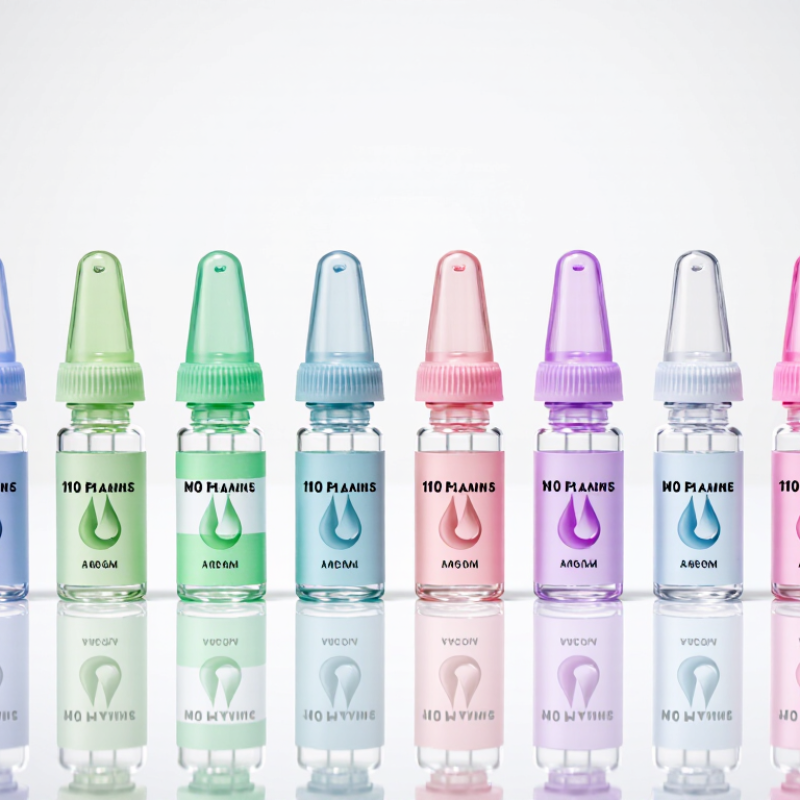
“10ml eye drops” refers to the bottle’s volume, not a special medical category. For colored contact lenses, the key question is whether the drops are labeled for use with contact lenses. Some products are intended to rewet lenses; others should not be applied while lenses are in the eye. Check the instructions and ingredients, and ask an eye-care professional if the label is unclear. Not quite interchangeable.
A 10ml bottle can fit in a small bag, but its actual number of uses varies with the nozzle and drop size. Keep the tip away from fingers, lenses, and the eye surface to reduce contamination risk. The TFOS DEWS II Epidemiology Report found dry-eye prevalence estimates ranging from 5% to 50%, reflecting differences in study methods and diagnostic criteria. This figure is not specific to colored-lens wearers, but it shows why comfort can vary widely.
The TFOS Contact Lens Discomfort report describes discomfort as multifactorial, involving lens, wearer, and environmental factors. A drop may ease temporary dryness, yet it cannot correct an ill-fitting lens or persistent irritation. Colored lenses still need careful wear and cleaning, even when they feel comfortable. Stop wearing them and seek professional advice if pain, marked redness, or blurred vision develops. A small bottle is convenient; compatibility matters more.
Colored contact lenses can feel dry when indoor heating, screens, or a long day reduce blinking. Lubricating eye drops made for use with contact lenses may ease friction and help lenses feel smoother. Check the label carefully: not every eye drop is suitable for wearing lenses. A 10 ml bottle is convenient to carry, but size alone says nothing about quality or compatibility.
Comfort varies between people. Drops can offer temporary relief, but they do not clean lenses, correct a poor fit, or make it safe to wear lenses longer than directed. If redness, pain, blurred vision, or persistent irritation occurs, remove the lenses and seek advice from an eye-care professional. I would not treat a quick improvement as proof that the cause has disappeared.
Tips: Wash and dry your hands before handling lenses. Use only drops labeled for contact-lens use, and follow their instructions. Avoid letting the bottle tip touch your eye or lens. If discomfort keeps returning, pause lens wear and ask an eye-care professional to check the fit and your eye health.
For a 10 ml eye-drop product intended for colored contacts, buyers should verify compatibility with the exact lens materials, not just rely on “contact-lens friendly” wording. Ask for documented tests covering lens clarity, color-layer stability, wettability, and changes after repeated exposure. Check pH, osmolality, viscosity, preservative system, sterility controls, and bottle-dropper integrity.
Small details matter. A drop that leaves residue or blurs the tint can affect comfort and vision.
Request batch-specific certificates of analysis, stability data, and evidence that the formula remains sterile through its stated shelf life. Confirm the label gives clear directions for use with lenses, including whether drops go in before or after insertion. FDA guidance treats contact lenses as medical devices, so compatibility claims should be supported by product-specific evidence. A polished label is not evidence.
Risk deserves attention. A CDC-cited US burden estimate found nearly one million outpatient and emergency visits for keratitis annually, with direct costs near $175 million (Collier et al., Ophthalmology, 2014). That figure is not specific to colored lenses, but it shows why contamination controls matter. Check the seal, inspect the nozzle, and ask how opening and repeated dispensing are evaluated. Suppliers may provide limited testing summaries; buyers should note what remains unverified.
When evaluating a China-based 10ml eye drops supplier, look beyond the bottle design and quoted price. Ask whether the product is intended for contact lens wearers and whether compatibility has been tested for its stated use. Colored lenses can affect comfort, but the drops must not be assumed suitable for every lens material. Details matter.
Review the supplier’s manufacturing records, quality certificates, batch-release process, and traceability system. Verify documents with the issuing organization where possible. Request evidence of sterility controls, microbial testing, stability data, and packaging checks, including seal integrity and dropper performance. A 10ml bottle should dispense consistently and remain protected after filling. Ask to see records.
For the target sales market, confirm which product documentation and registrations are required before placing an order. Have a qualified regulatory or quality professional review the claims and technical file. Test samples under a documented evaluation plan, not just a quick visual check. I would not treat a polished sample as proof; that is an easy mistake. Compare supplier answers with written records, and note gaps or vague explanations. No checklist guarantees quality, but careful verification can reveal risks before production begins.
Supplier evaluation framework for 10 ml eye-drop products intended for colored contact lens wearers. A 10 ml pack size alone does not indicate product quality or contact-lens compatibility. Verify product claims and regulatory status for the destination market.
| Evaluation dimension | What to verify | Evidence to request | Positive evaluation signal | Potential concern |
|---|---|---|---|---|
| Contact-lens compatibility | Confirm that the product labeling explicitly states whether it is suitable for use with soft contact lenses, including colored lenses. Do not assume that all lubricating eye drops are compatible. | Current product label, instructions for use, and compatibility or usability evidence supporting the stated claim. | Clear, consistent labeling and documented support for the intended use. | Compatibility is implied verbally but is absent from the product labeling or supporting documents. |
| Product classification and authorization | Identify how the product is classified in China and in each intended export market. Requirements depend on the product’s composition, intended use, claims, and local regulations. | Applicable registration, filing, or authorization details; product name and intended use; and information that can be checked with the relevant regulator. | The supplier explains the applicable pathway and provides verifiable records for the specific product and market. | A supplier presents a factory certificate as if it were product authorization, or cannot identify the applicable regulatory pathway. |
| Manufacturing quality system | Assess whether documented procedures cover production, quality control, deviations, corrective actions, and traceability. A quality-system certificate does not by itself prove that a specific product is authorized or suitable for contact lenses. | Current quality-system certificates, scope and validity details, audit information, and relevant quality procedures. | Certificates cover the relevant site and activities, and the supplier can explain how product batches are controlled. | Expired or out-of-scope certificates, unclear manufacturing-site details, or no documented quality records. |
| Sterility assurance | For an ophthalmic product labeled sterile, review how sterility is maintained through manufacture, filling, packaging, and the product’s shelf life. | Applicable sterilization or aseptic-process records, batch release documentation, and sterility test information. | Documented controls and batch records are available for the finished product and manufacturing process. | Only a general statement of “sterile” is provided, without product- or batch-relevant evidence. |
| Formula and preservative information | Review the complete ingredient information, preservative system if present, and relevant use instructions. Suitability depends on the specific formula and product claims. | Ingredient list, product specifications, safety information, and labeling that explains relevant usage limitations. | Information is complete, consistent across documents, and appropriate for the stated intended use. | Ingredient details are withheld or the formula described in marketing materials differs from the controlled product documents. |
| 10 ml packaging and container integrity | Check that the actual offered pack is 10 ml and that the container, closure, and dispensing design are suitable for the product and its intended use. | Finished-pack specifications, drawings or photographs, packaging compatibility data, and samples from the proposed production configuration. | Pack size and components are documented, and the supplier can provide samples matching the proposed specification. | Samples differ from the production pack, or packaging changes are made without documented review. |
| Shelf life and storage | Check the labeled shelf life, storage conditions, expiry-date format, and any in-use period after opening stated for the specific product. | Stability data supporting the labeled shelf life and storage conditions, plus the approved label or instructions for use. | Label claims are supported by product-specific stability documentation. | Shelf-life claims are unsupported, or storage instructions are missing or inconsistent. |
| Batch traceability and release | Determine whether finished product can be traced to its production batch, quality checks, and release decision. | Sample batch certificate or certificate of analysis, lot coding example, and written batch-release procedure. | Documents identify the product and batch and show defined release checks. | Batch documents cannot be linked to the offered product or lack identifiable lot information. |
| Export-market readiness | Check the requirements for the destination country, including labeling language, product claims, importer obligations, and any required local authorization. | Destination-specific labels, available regulatory documentation, and a clear statement of what the supplier can and cannot provide. | Documents and labeling are prepared for the actual target market rather than presented as universally valid. | Claims of “global approval” are made without naming the market or providing verifiable records. |
| Supplier identity and manufacturing site | Confirm the legal entity, actual manufacturing location, and whether production is performed in-house or subcontracted. | Business and site information, manufacturing-site details, and disclosure of relevant subcontractors. | Entity, site, and production responsibilities are consistent across documents and communications. | Unexplained differences in company, site, or manufacturer details across quotations and certificates. |
| Commercial terms and change control | Clarify minimum order quantity, lead time, sample arrangements, payment terms, and how changes to formula, site, or packaging are communicated. | Written quotation, product specification, sample confirmation, and change-control terms. | Commercial terms and product specifications are documented before an order is placed. | Unrecorded specification changes or unclear terms for samples, production, or delivery. |
China Top 10ml Eye Drops for Colored Contacts Supplier?
Buyers should verify that the drops are explicitly labeled for use with colored contact lenses; “moisturizing” alone is not enough. Check the 10 ml bottle’s seal, tamper evidence, lot number, expiry date, and storage instructions. Ask for product specifications, sterility and microbial test records, and stability data covering the stated shelf life. Confirm that the dropper delivers consistent drops and does not leak when stored upright or in transit. Small details matter.
The World Health Organization’s 2017 report, A Study on the Public Health and Socioeconomic Impact of Substandard and Falsified Medical Products, estimated that about one in ten medical products in low- and middle-income countries is substandard or falsified. This is not an eye-drop-specific estimate, but it underscores why buyers should check traceability and supplier quality controls. Request batch documentation and confirm that the product’s registration and labeling meet the requirements of its destination market. Packaging that looks polished proves little by itself.
Tips: Request a sample from the same production line, then inspect the cap, seal, label, and drop size. Compare the sample with approved specifications. Ask how packaging materials are controlled and how complaints or recalls are handled. One gap deserves attention: translated labels can omit storage details, so review the final artwork carefully.
Checklist items to verify across packaging, quality, and regulatory documentation. Counts represent the example checks listed below—not supplier ratings or a regulatory score.
Packaging: bottle material, closure and tamper evidence, 10 mL fill and container integrity, and legible labeling. Quality: sterility controls, microbial limits, pH and osmolality specifications, and evidence of compatibility with colored contact lenses. Regulatory: applicable market authorization, manufacturing quality documentation, compliant labeling, and import documentation. Requirements depend on the destination market and product classification; verify them with the relevant regulator or qualified adviser.
They may ease friction when screens, indoor heating, or a long day reduce blinking. Relief is temporary. They do not fix poor lens fit.
No. Choose drops labeled for contact-lens use and follow their instructions. “Moisturizing” alone is not enough.
No. They do not clean lenses or make longer wear safe. Follow the lens schedule. Quick relief proves little.
Remove the lenses if you have redness, pain, blurred vision, or persistent irritation. Pause wear and seek advice from an eye-care professional.
Request manufacturing records, quality certificates, batch-release documents, and traceability records. Also review sterility controls, microbial testing, and stability data. Ask to see evidence.
Check the seal, tamper evidence, lot number, expiry date, and storage instructions. Test dropper consistency and leakage. Small details matter.
Use a documented evaluation plan, not just a quick visual check. Compare the cap, seal, label, and drop size with approved specifications. A polished sample proves little.
Confirm the destination market’s documentation, registration, and labeling requirements with a qualified professional. Review final artwork carefully; translated labels can omit storage details. I would still double-check.
10ml Eye Drops for Colored Contacts are compact, easy-to-carry products intended to support comfort when wearing colored contact lenses. Buyers should understand how the drops are designed to be used and check whether their formulation is compatible with the specific lens materials and wearing conditions. Reviewing the ingredients, directions, storage requirements, and any relevant warnings can help assess suitability; users should follow product instructions and seek professional advice if they experience irritation or discomfort.
When evaluating a China-based supplier, compare manufacturing capabilities, quality-control procedures, communication, and consistency of product specifications. Verify packaging details such as bottle capacity, seal integrity, labeling, batch identification, and shelf-life information. Buyers should also request appropriate product documentation and confirm that quality and regulatory information is relevant to the intended market. Careful checks can support informed sourcing decisions and help reduce risks related to unclear specifications or inconsistent supply.