Press Esc to close
Choosing the right 17mm Mini Sclera Contact Lenses requires more than comparing prices or dramatic product photos. Wholesale buyers need dependable materials, consistent sizing, clear specifications, and responsive supplier support. A lens that looks impressive on a screen may feel different during handling, especially when its diameter, curvature, or tint density varies between batches.
This guide introduces leading options for professional buyers seeking reliable sourcing opportunities. It considers design quality, color clarity, edge finishing, packaging, minimum order quantities, and sample availability. Practical details matter. A smooth edge can influence comfort, while secure blister packaging helps protect each lens during transportation. Buyers should also request current product documentation, care instructions, and manufacturing information before placing large orders. Supplier experience can reduce surprises, but it cannot replace careful inspection.
Wholesale purchasing still involves uncertainty. No ranking is flawless. Individual preferences, regional requirements, and customer expectations can change the final decision. Samples should be evaluated under natural and studio lighting. Measurements should be checked against the supplier’s stated specifications. It is also wise to confirm whether the lenses are intended for cosmetic use, corrective use, or professional fitting. Qualified eye-care guidance remains important where applicable. Reliable suppliers welcome detailed questions instead of promising unrealistic results. This overview focuses on transparent comparison, practical buying considerations, and responsible supplier evaluation. The goal is simple: help buyers identify 17mm Mini Sclera Contact Lenses that balance appearance, consistency, documentation, and long-term wholesale value.
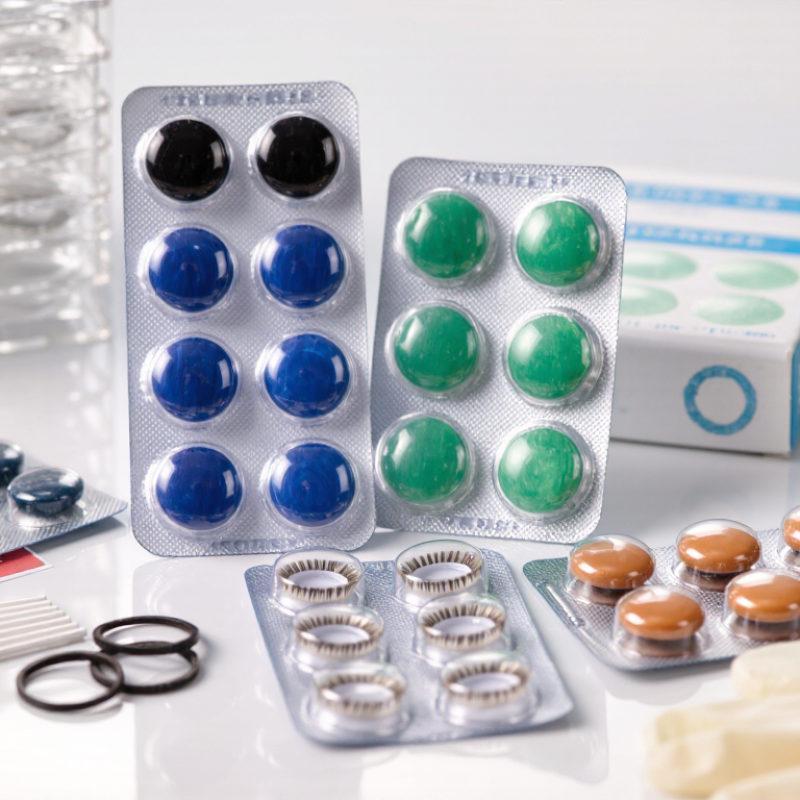
A 17mm mini sclera contact lens is wider than a standard corneal lens, yet smaller than many full-scleral designs. Its diameter may extend beyond the corneal edge and rest partly on the white of the eye. This creates a broader visual effect and can cover more natural eye color. However, 17mm does not guarantee the same fit for every wearer. Eye shape, sagittal depth, material, and edge design also matter.
The U.S. Centers for Disease Control and Prevention estimates that about 45 million Americans wear contact lenses. The U.S. Food and Drug Administration classifies decorative lenses as medical devices, even when they are used for appearance only. These facts matter to wholesale buyers. Mini sclera lenses need documented materials, stable coloration, consistent diameter, and traceable quality checks. Oxygen transmission should receive attention, especially during extended wear. A larger lens can feel stable, but poor clearance or an uneven edge may cause redness and discomfort. Size alone is an incomplete selling point.
Tips: Ask suppliers for laboratory specifications, batch records, and fitting guidance. Check diameter with calibrated equipment, not packaging claims alone. Review sample lenses under bright light. A small color shift can become obvious across a large 17mm surface. Wholesale planning also needs realistic rejection rates. Some units may require inspection or removal from sale. That is inconvenient, but pretending otherwise weakens quality control.
A 17 mm mini scleral contact lens is larger than most corneal lenses and standard soft lenses, but smaller than many conventional scleral lenses. Its diameter allows the lens to extend beyond the cornea and rest on the sclera, creating a fluid reservoir that can support ocular surface comfort and visual correction. Actual diameters vary by design, prescription, and fitting requirements.
Top 17mm Mini Sclera Contact Lenses for Wholesale Buyers
A 17mm mini sclera lens should offer stable coverage without creating excessive pressure. Check the lens diameter, vault, edge profile, and base curve carefully. These details influence centration, movement, and wearing comfort. A clear fitting guide is valuable, especially when buyers serve different eye shapes. Ask for sample pairs before confirming a large order. Small fit differences can become costly returns.
Material quality also deserves close attention. Look for suitable oxygen transmission, smooth edges, consistent tinting, and reliable surface hydration. A lens may look attractive in photographs but feel dry after several hours. That weakness is easy to miss. Review manufacturing records, batch consistency, shelf-life information, and packaging protection. Each package should include clear handling and care instructions. Avoid suppliers that provide vague specifications.
Wholesale buyers should examine quality control beyond the sample. Request inspection details for diameter, power accuracy, cosmetic defects, and seal integrity. Independent testing or recognized compliance documents can strengthen supplier credibility. Requirements differ by country, so confirm local rules before distribution. Discuss minimum order quantities, replacement policies, lead times, and storage conditions in writing. Price matters, but inconsistent batches create larger problems. A practical review should leave room for doubt, not assume every sample represents future production.
A 17mm mini sclera lens offers a wider visual effect than a standard cosmetic lens, while remaining smaller than many full-sclera designs. Wholesale buyers can choose clear lenses, limbal-ring styles, full-iris prints, or partially tinted options. Each type creates a different result. A dark limbal ring can sharpen the iris edge, while a soft gradient appears more natural in daylight.
Design details deserve close inspection. High-opacity printing can create dramatic coverage, but it may look flat when the pupil is small. Multi-tone iris patterns add depth through fine radial lines and uneven color transitions. Custom artwork is possible, including enlarged pupils or theatrical effects. However, printed colors may shift under warm indoor lighting. One sample cannot predict every wearer’s result.
Fit and safety should guide purchasing decisions. Confirm the actual diameter, base curve range, center thickness, edge profile, and oxygen-permeable material with the manufacturer. A 17mm label may not match the same measured diameter across suppliers. Request production samples, batch records, inspection standards, and packaging details before placing a large order. Feedback from qualified eye-care professionals can reveal movement, dryness, or uncomfortable edges that photos cannot show. Some designs look impressive but need refinement. Wholesale products should comply with applicable local contact-lens regulations and require professional fitting where required.
For wholesale buyers, 17mm mini sclera lenses need careful material selection. Rigid gas-permeable materials, especially fluorosilicone acrylate, can provide stable shape and useful oxygen transmission. Ask for documented Dk values, not vague claims. Surface quality also matters. A smooth, polished edge may reduce friction during wear. However, material performance depends on design, thickness, and fitting.
Safety documentation should match the selling market. Request testing records, biocompatibility information, manufacturing controls, and applicable contact-lens certifications. ISO 18369 references are useful, but they do not replace local regulatory review. Each production lot should have traceable records. Check diameter, base curve, power, edge profile, tint consistency, and packaging integrity. If lenses are supplied sterile, verify the sterilization method and expiration data. Small gaps can create large risks.
Tips: Order independent samples before bulk purchasing. Measure the claimed 17mm diameter yourself. Inspect edges under magnification and compare several lenses from one lot. Ask for a certificate of analysis, not only a sales sheet. Keep retained samples for future comparison. A perfect-looking sample can hide process variation. That is easy to miss. Wholesale teams should also review wearer instructions, cleaning guidance, and professional fitting requirements. No single test proves overall safety; quality decisions need repeated checks and honest documentation.
Top 17mm Mini Sclera Contact Lenses for Wholesale Buyers
Wholesale buyers should compare more than the lowest unit price. Ask suppliers for diameter tolerance, base curve options, material details, and quality inspection records. A 17mm lens may fit differently across users, so sample testing matters. Review edge design, comfort feedback, tint consistency, and packaging quality before placing a large order. Do not rely on product photos alone. Request current samples and written specifications.
Pricing should show every cost clearly. Compare sample fees, customization charges, shipping, taxes, and replacement policies. A lower quote can hide strict minimum order quantities or expensive revisions. Check whether prices change by 100, 500, or 1,000 pieces. Confirm production time, payment stages, and the process for defective items. Supplier communication also reveals reliability. Slow answers may become serious delays later. Documentation should support lawful sale and safe handling in your target market.
Tips: Build a simple comparison sheet. Record lens parameters, sample results, lead times, and payment terms. Ask for a small trial order before committing. That step costs more initially, but it can reduce waste. Still, no checklist catches everything. Recheck specifications before production, because small errors can affect fit, comfort, and customer trust.
Practical comparison framework for wholesale purchasing. The pricing and lead-time figures below are indicative planning ranges for unbranded 17mm mini-scleral lenses and must be confirmed in a written quotation.
| Comparison Dimension | Standard Wholesale Option | Custom-Parameter Option | Premium Manufacturing Option | What Buyers Should Verify | Wholesale Evaluation Note |
|---|---|---|---|---|---|
| Lens Diameter | Approximately 17.0 mm overall diameter | Approximately 17.0 mm, with parameter-specific landing-zone adjustments | Approximately 17.0 mm with tighter dimensional control | Whether the stated diameter refers to overall diameter, optic zone, or usable corneal coverage | 17 mm is commonly classified as a mini-scleral size, but fitting suitability depends on ocular anatomy and design. |
| Typical Lens Type | Mini-scleral rigid gas-permeable lens | Mini-scleral lens with customized sagittal depth, vault, and landing-zone geometry | Customized mini-scleral lens produced with advanced digital design or lathe processing | Material classification, oxygen permeability, surface treatment, and design method | Do not compare price alone; material and geometry strongly affect fitting performance. |
| Indicative Unit Price | US$18–35 per lens | US$28–55 per lens | US$45–90 per lens | Whether the quote is per lens or per pair and whether accessories are included | Prices normally exclude shipping, import duties, taxes, fitting services, and regulatory fees. |
| Bulk Price Tier: 50–99 Lenses | Usually near the upper end of the quoted range | Usually quoted case by case | Often subject to a minimum production charge | Whether mixed prescriptions and mixed parameters count toward the minimum order quantity | Small wholesale quantities generally receive limited price reductions. |
| Bulk Price Tier: 100–499 Lenses | Approximately 5%–12% below small-batch pricing | Approximately 5%–10% below small-batch pricing where designs are standardized | Approximately 3%–8% below small-batch pricing | Price breaks, setup charges, tooling fees, and permitted design variations | Ask for a tiered quotation based on total lenses and separate pricing for custom parameters. |
| Bulk Price Tier: 500+ Lenses | Approximately 10%–20% below small-batch pricing | Approximately 8%–15% below small-batch pricing | Approximately 5%–12% below small-batch pricing | Annual-volume commitments, forecast requirements, and price validity period | Larger discounts are more likely when parameters, packaging, and delivery schedules are consistent. |
| Minimum Order Quantity | Commonly 50–100 lenses | Commonly 100–300 lenses or a setup fee for smaller runs | Commonly 100–500 lenses, depending on the design and material | Minimum order per model, prescription, material, and packaging format | Confirm whether trial lenses and replacement lenses are counted separately. |
| Standard Production Lead Time | Approximately 7–15 business days | Approximately 10–25 business days | Approximately 15–35 business days | Whether lead time starts after payment, artwork approval, or prescription confirmation | Lead times may increase during peak periods or when custom tooling is required. |
| Sample or Trial Order | Often available in small quantities | Usually available after parameter review | Usually available but may involve design and setup fees | Sample price, refundable fees, sample lead time, and whether samples can be mixed | A sample program is useful for checking optical quality, edge profile, packaging, and consistency before a bulk order. |
| Parameter Availability | Common base curves, powers, and standard center thicknesses | Expanded powers, sagittal depths, vaults, toric zones, and landing-zone options | Broad customization with design review and repeat-order records | Available power range, cylinder range, axis range, base curves, and dimensional tolerances | Request a complete parameter matrix rather than relying on a general product description. |
| Material Documentation | Basic material specification and certificate information | Material data plus batch or lot documentation | Detailed material, production, and quality records | Oxygen permeability, water content if applicable, extractables, biocompatibility, and lot traceability | Material data should be supplied for the exact lens material being quoted. |
| Quality-Control Records | Visual inspection and basic dimensional checks | Dimensional, optical, and surface inspection with batch records | Documented inspection plan with stronger batch traceability | Inspection criteria, acceptable tolerances, rejected-lens handling, and retained samples | Ask for a sample inspection report before approving a production batch. |
| Packaging | Individual sterile or non-sterile packaging depending on intended market | Individual packaging with customized labels where permitted | Individual packaging with lot, expiry, and product-identification controls | Packaging format, sterilization status, label language, expiry dating, and storage conditions | Packaging and labeling must match the regulations of the destination market. |
| Private Label Capability | May be available for larger quantities | Commonly available with artwork approval and packaging charges | Usually available with documented artwork, labeling, and change-control procedures | Minimum quantity, artwork fees, label responsibility, and ownership of packaging files | Private labeling does not replace the buyer’s responsibility to meet local regulatory requirements. |
| Replacement and Remake Policy | Usually limited to manufacturing defects reported within a defined period | May cover confirmed parameter or production errors | More formal claim review and batch-investigation process | Defect-definition, evidence requirements, reporting deadline, replacement cost, and freight responsibility | Obtain the remake policy in writing before placing a deposit. |
| Payment Terms | Commonly 100% upfront for small orders or 30%–50% deposit for larger orders | Commonly 30%–50% deposit with balance before shipment | May offer staged payments for approved repeat buyers | Deposit percentage, balance timing, payment method fees, currency, and refund conditions | Payment terms should identify what happens if specifications, delivery dates, or quality requirements are not met. |
| Shipping Terms | Commonly EXW, FOB, or DAP depending on the transaction | Commonly FOB or DAP after production approval | May support scheduled shipments or split deliveries | Incoterm version, exporter of record, insurance, customs documents, and shipping responsibility | Compare landed cost rather than unit price alone. |
| Regulatory Readiness | Basic product and manufacturing documentation may be available | Usually offers more complete technical files upon request | Typically provides stronger documentation for regulated markets | Applicable market authorization, quality-management certification, technical file, and post-market support | Requirements differ by country; buyers should verify them with the relevant authority or qualified regulatory professional. |
| Best Fit for Buyer | Distributors testing demand or selling standardized parameters | Optical retailers, fitting practices, and distributors needing a broader range | Established wholesalers requiring repeatability, traceability, and private-label support | Whether the supplier can support the buyer’s expected sales volume and market requirements | Select the supplier model according to risk, documentation needs, customization, and forecast volume. |
It is wider than a standard corneal lens and rests partly on the eye’s white area.
No. Eye shape, sagittal depth, material, base curve, and edge design affect fit.
They can cover more natural eye color and create a larger-looking appearance.
Request documented material details, oxygen transmission values, thickness, and surface-finish information.
Check diameter, base curve, power, edge profile, tint consistency, and packaging integrity.
Request laboratory specifications, batch records, biocompatibility information, testing results, and applicable certifications.
Examine several lenses under bright light and magnification.
Poor clearance or uneven edges may cause redness, discomfort, or reduced oxygen flow.
Include realistic rejection rates for damaged, inconsistent, or poorly measured units.
Yes. Professional fitting, cleaning instructions, wearing limits, and local regulatory requirements should be reviewed.
This guide to 17mm Mini Sclera Contact Lenses explains how their larger diameter and broader corneal coverage distinguish them from standard lenses, including their potential benefits for specialized cosmetic or visual applications. Wholesale buyers will learn which features to evaluate, such as diameter consistency, edge design, optical clarity, comfort considerations, color quality, customization options, and packaging reliability. The article also reviews popular lens types and design choices, including natural-looking shades, dramatic patterns, opaque effects, and made-to-order options.
It further outlines how material selection, documented safety practices, hygiene controls, inspection procedures, and quality consistency can influence product suitability. Buyers will also find practical guidance for comparing suppliers, including sample evaluation, communication, production capacity, pricing structure, minimum order quantities, lead times, replacement policies, and bulk-order terms. By assessing both product quality and supplier reliability, wholesale purchasers can make more informed sourcing decisions while prioritizing responsible handling and appropriate professional guidance.